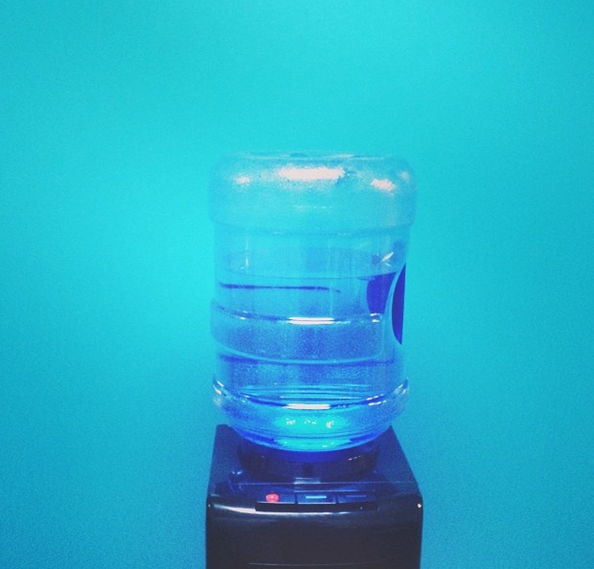

Experts tell us that the body consists of at least 60% water, in varying levels throughout our anatomy. It is well-known that water consumption is vital for survival, but our society often forgets the benefits of water consumption, especially in the workplace.
Why Biometric Screenings Are Better Than Health Risk Assessments
Health risk assessments (HRAs) have been around since the 1970s. Over the years, they were used as a supportive tool for physicians in discussing health with their patients. Today, the HRA is a self-reported measurement aide that helps to identify individual health risks based on questions about lifestyle, demographic characteristics, family history, physiological data and overall attitudes towards their wellness.
From absenteeism due to illness to the cost of disability and workers’ compensation, poor health costs the U.S. economy more than a half a trillion dollars a year, according to a 2012 study by The Integrated Benefits Institute, a nonprofit research organization. You can cut down on these costs by taking proactive steps to reduce the impact of these four office illnesses.
Many employers view absenteeism as a large source of loss for an organization and many companies commonly develop specific policies to combat the indirect costs of lost productivity. This common misconception encourages employees to avoid missing work when they’re sick, and often they’re unable to perform at their usual level of efficiency. Recent studies have shown that the combination of health care costs for the employee, coupled with their lack of productivity during the workday, has a far greater effect to an employer than if the individual had simply taken sick days and stayed home. This phenomenon of “presenteeism” is quickly becoming an emerging concern in the workplace.
Topics: Workplace Flu Shots, Healthy Workplaces, Wellness at Work
The motivations behind holding a biometric screening can range from cutting insurance costs to creating a healthy corporate culture. Regardless of the reasoning for hosting your on-site screenings, one thing is for certain – health screenings can (and do!) save lives. Here, we detail five of the most important tests your employees can take to determine their health risks, identify areas of opportunity and become healthier, happier individuals.
Topics: Biometric Health Screenings
Picture a workplace where you and your team are able to be your best selves each and every day. It’s possible, and it doesn’t require a massive human resources initiative or expensive company retreat to achieve. In fact, you can create this culture of optimism yourself, simply by refining your day-to-day thoughts, beliefs and actions to celebrate the bright side of your work, your peers, and your life.
Topics: Healthy Workplaces, Wellness at Work
5 Tips for Creating and Promoting Employee Work-Life Balance
At a recent session of the Aspen Ideas Festival, PepsiCo CEO Indra Nooyi shared her perspective, stating, “I don't think women can have it all.”
This thought-provoking remark is not meant to spark a feud with Sheryl Sandberg and the Lean In movement but rather to contribute to the ongoing dialogue surrounding work-life balance.
Topics: Healthy Workplaces, Wellness at Work
Appreciative. Apprehensive. Scared. Eager. There are a lot of emotions surrounding the way employees experience company flu shots. A quick keyword scan on Twitter brought up these tweets about onsite flu clinics. Some are grateful, some are terrified and others seem slightly misinformed.
Topics: Workplace Flu Shots
Take a break from the romance novels this summer and opt for a reading list that's packed with positivity, nutrition, health and wellness. Here are ten of our favorite books to change your perspective, inspire your life and motivate your health:
Topics: Healthy Workplaces, Wellness at Work
As flu season starts all around the United States, the issue continues to come up: What about vaccination for health care workers -- doctors, nurses, and people who have any clinical contact with patients?