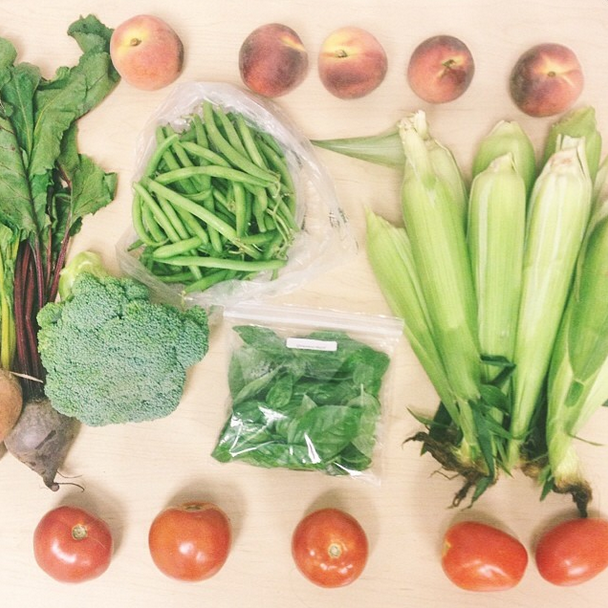
September is Fruits and Veggies: More Matters Month, a national public initiative from the CDC and Produce for a Better Health Foundation to increase the consumption of fruits and vegetables. This national health issue is more widespread than most people realize; a 2005 CDC Survey found that less than a third of American adults reported eating at least two servings of fruit per day, and only 27% said they ate three or more servings of vegetables. With 2/3 of our population not meeting the recommended nutrition goals in their daily diets, we're happy to fully back this proposal.
“I don’t have time.”
It’s the go-to excuse for skipping the gym.
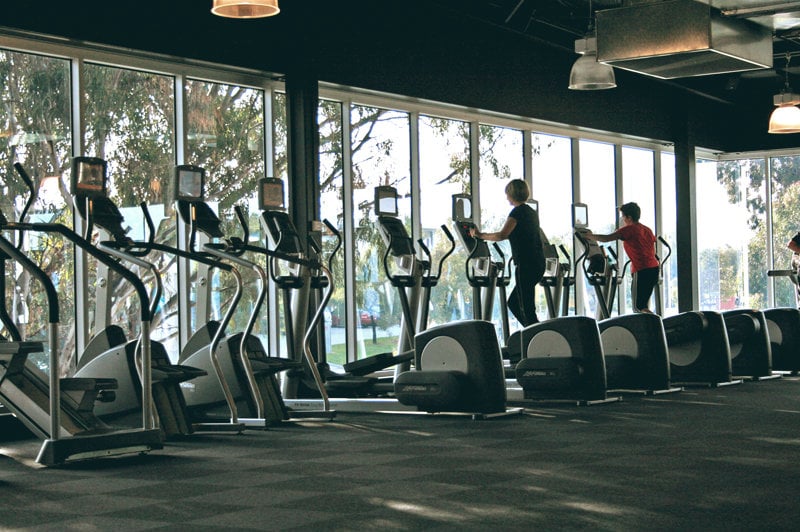
We get it — work, family, and social commitments make it tough to fit in a workout. But guess what? You don’t need long exercise classes or hours at the gym to stay active. We’ve got some simple life hacks that will help you make time for physical activity, no matter how busy you are.
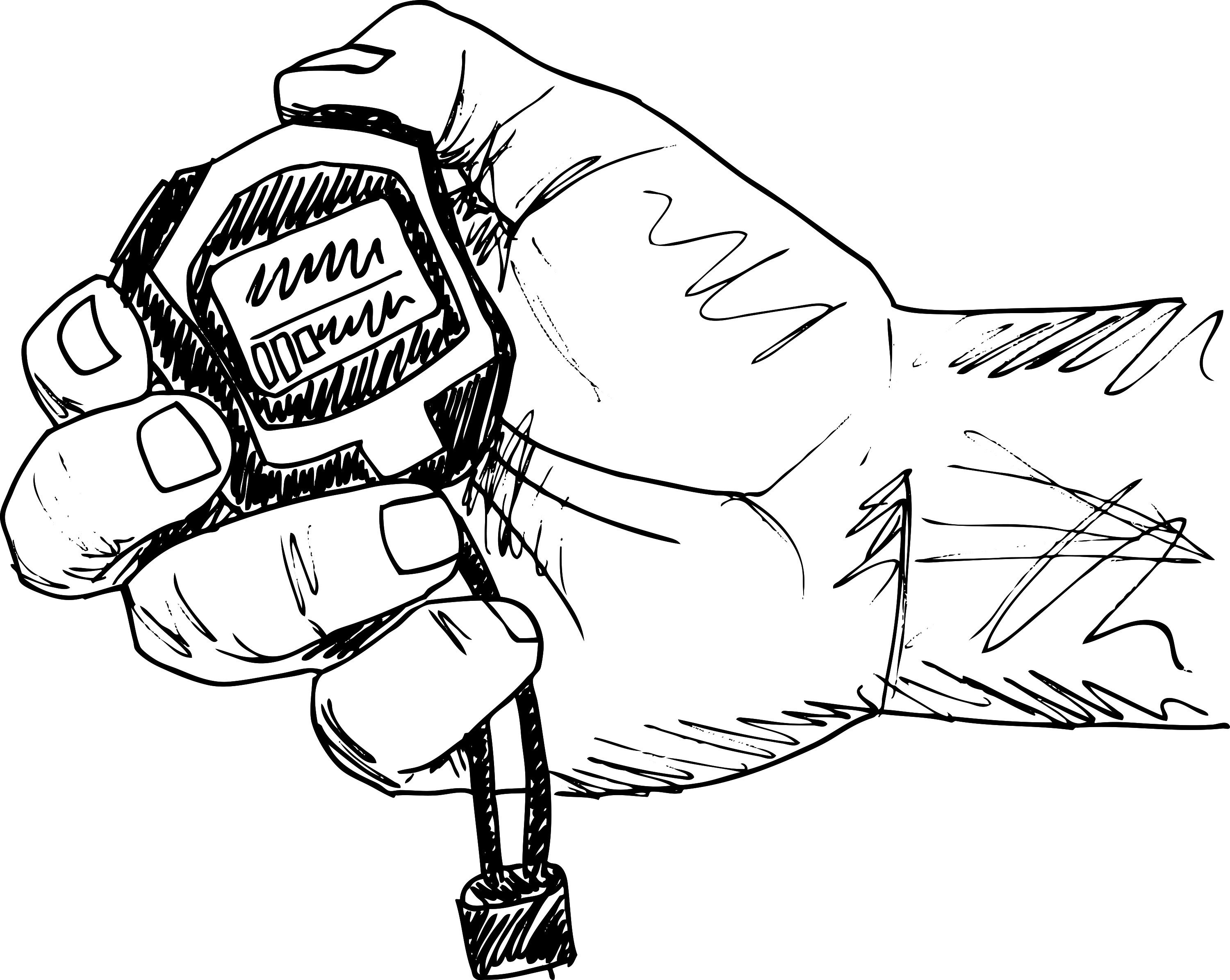
When you're short on time, the best strategy is to break your exercise into short, frequent bursts throughout the day. Even 10 minutes, two or three times a day can give you the health benefits of physical activity. Once you split your daily workout into easy, doable time slots, you open up a world of exercise that doesn’t require an hour of cardio.
Topics: Healthy Workplaces
Health Care Literacy: Improving Communication Between Doctors and Patients
School is officially back in session for much of America’s youth, but we’re looking at adult education in a whole new light. In discussing health care and hosting biometric screenings, we often find that many individuals have difficulty understanding their diagnoses. We dug a little deeper and discovered that nearly 9 out of 10 adults have trouble using the everyday health information that is available at their doctor’s offices, in their communities and throughout the media.
Topics: Wellness at Work
The average travel time to work in the United States is 25.4 minutes, according to the U.S. Census Bureau. Round-trip, you're looking at almost an hour of your day that could be used to learn, work, read, talk, exercise or relax. Here are ten ways to turn a passive commute into an active adventure!
Topics: Healthy Workplaces
The Digital Detox: How to Break Away from Work While You're on Vacation
With Labor Day weekend right around the corner, many of us are getting ready to enjoy some well-earned vacation time. In today's world, however, breaking away from the office means more than physically not being there. Between waking up with our smartphones to checking social media, most of us will find ourselves responding to emails, returning voicemails and interacting with Facebook when we should be soaking up the paid time off. In fact, a recent TripAdvisor survey of 16,100 employed respondents reported that 77% percent of U.S. respondents say they have worked on vacation during the past year, with 91% stating that they check work e-mail while they're away.
Topics: Healthy Workplaces, Wellness at Work
TotalWellness is proud to call Omaha, Nebraska, home to our main headquarters.
The city has progressively expanded its economy and size, but through all the positive growth, we’ve also seen it struggle to provide opportunities for healthy living to its citizens and employees.
Influenza is one of the leading causes of employee absences.
The Society of Human Resource Management estimates that 10 to 12 percent of all employee absences are due to the flu virus. Each infected employee could miss up to six days of work and need up to two weeks to make a full recovery.
Topics: Workplace Flu Shots
We hear it over and over again -- Americans work too much, don't use their vacation days, stay attached to the office all day and night and spend too much time at their desks. Today, on National Relaxation Day, we're calling on all of you to stop and take a deep breath. When the daily grind becomes too much to handle, try one of these simple stress relievers to bring peace and productivity back to your day.
American workers don’t use all their vacation days, leaving an estimated 577 million unused days on the table each year. Even when we do get the chance to get away, most of us take our work along for the ride, toting our laptops along and keeping our smartphones glued to our sides.
Topics: Healthy Workplaces, Wellness at Work
The 40-hour work week sounds like a pretty relaxing schedule to a lot of employed Americans. In fact, the United States is widely considered to be the most overworked nation in the industrialized world. According to the International Labor Organization, Americans work 137 more hours per year than Japanese workers, 260 more hours per year than British workers, and 499 more hours per year than French workers. The long hours and late nights are only getting longer and later, a problem that impacts our productivity, our health, and our relationships.
Topics: Healthy Workplaces, Wellness at Work