
TL;DR: Your brain is naturally wired to feel more motivated after a "fresh start," whether it's a new week, birthday, or even just tomorrow morning. By intentionally creating these reset moments, you can make healthy habits feel easier to begin and stick with.
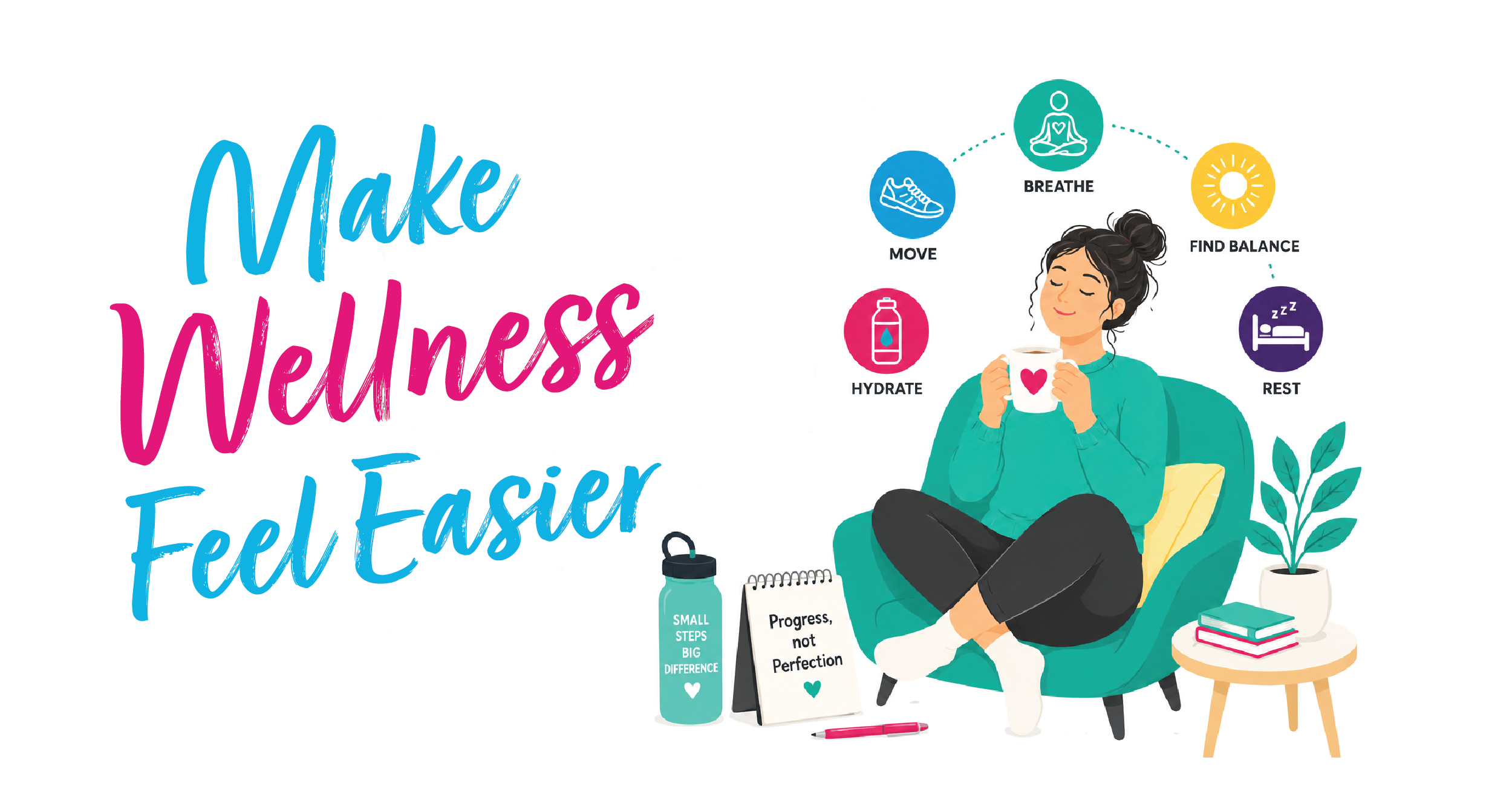
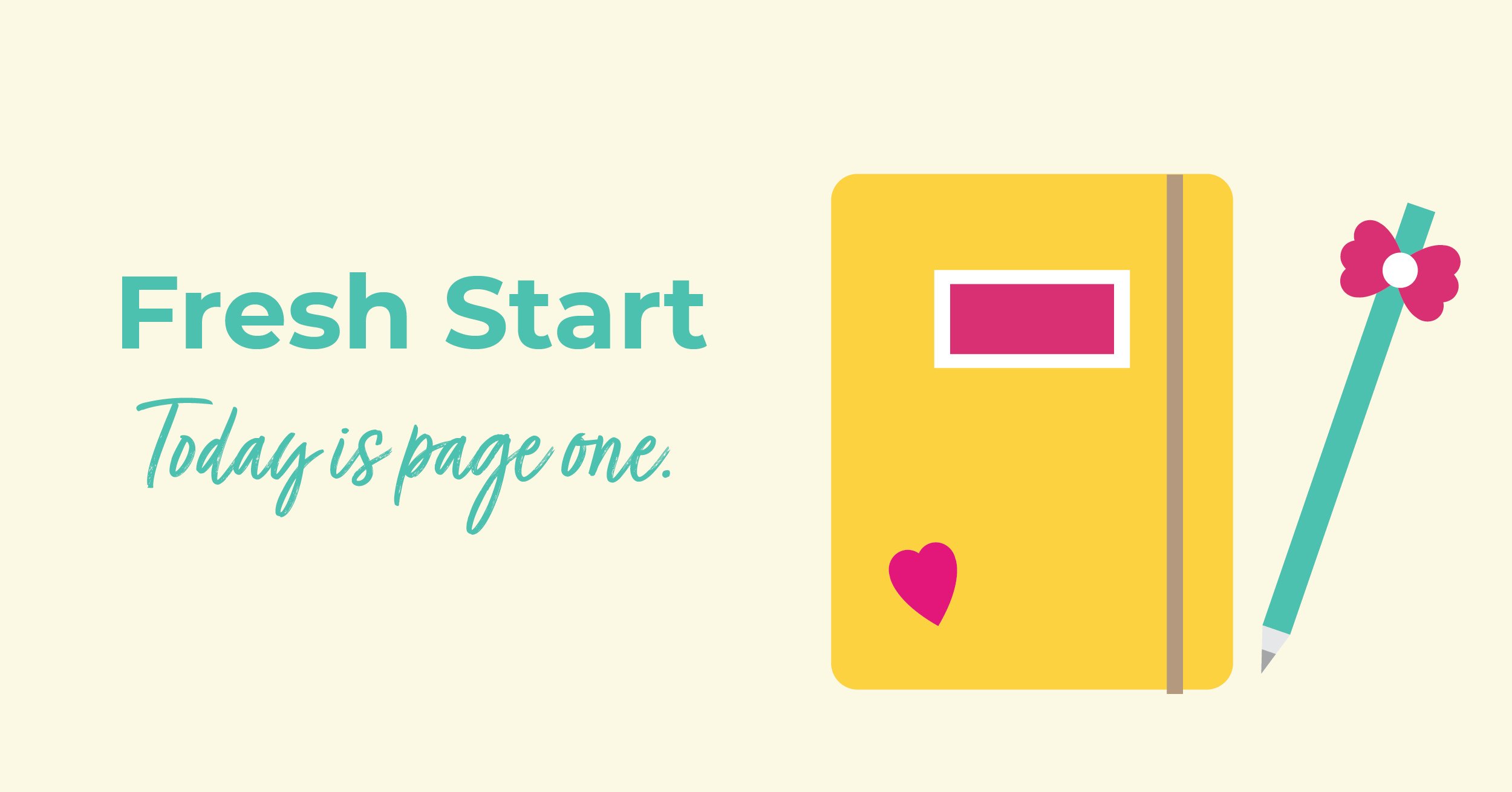
There's something about a Monday morning, a new month, or even a fresh notebook that makes you want to do better.
Maybe you'll finally stick with morning walks. Maybe you'll stop letting your inbox grow into a monster. Maybe you'll actually remember to drink more water this week. Whatever the goal, that little jolt of motivation feels real, and it turns out, it is.
Psychologists call this the "fresh start effect," and it's one of the most useful (and underused) tools for building better habits at work and at home.
This post breaks down the science of why our brains crave clean slates, when these moments naturally show up on the calendar, and how you can use them to actually make a habit stick.