
TL;DR: If it feels like everyone around you is sick, you’re not imagining it. Flu cases, hospitalizations, and deaths are climbing fast this season, driven largely by a mutated H3N2 strain that spreads efficiently. While this year’s flu vaccine is not a perfect match, it still significantly reduces severe illness and disruption.
 If it feels like everyone around you is coughing, sniffling, or unexpectedly out of the office, you’re not imagining it.
This flu season is tough. And the data backs up what people are seeing in real time.
Flu-related illness and deaths are rising across the U.S., helping explain why sickness feels unavoidable right now.
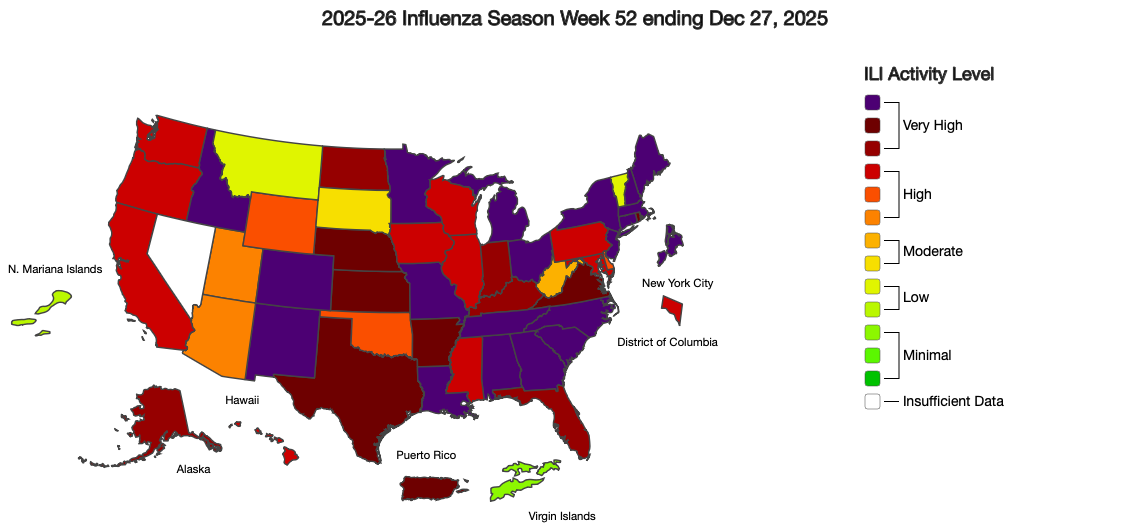
The United States is now experiencing its highest rate of flu cases in at least 25 years, with 19 states reporting the highest levels of respiratory illness measured by the CDC. As of Dec. 27, officials report at least 11 million cases, 120,000 hospitalizations and 5,000 deaths this season.
In other words, this isn’t just a rough patch. It’s a widespread surge that’s showing up everywhere, including at work.
Below, we break down what’s driving this season and what it means for workplaces trying to keep teams healthy and functioning.
What Is Driving This Year’s Flu Season
Most of what we’re seeing right now is influenza A, specifically H3N2. This is not a brand-new virus. It has been circulating for decades and is responsible for many seasonal flu outbreaks, often the ones people remember as especially rough.
What changed this year happened quietly and early.
As H3N2 circulated through the southern hemisphere over the summer, it mutated. That sounds scary, but mutations are normal for flu viruses. Influenza is basically a master of small, frequent changes. It evolves as it goes.
There are two ways flu viruses change. One is a big genetic reshuffle that can lead to pandemics. That did not happen here. The other is a slow series of smaller tweaks, known as antigenic drift. That is what happened this year.
The biggest issue is timing.
The flu vaccine formula is finalized months in advance. This year’s version was locked in before this newer H3N2 variant became dominant. That means the vaccine still recognizes parts of the virus, just not all of it. Add in the fact that many people rely on immunity from past infections or previous vaccines, and the virus gets a little more room to slip through and spread.
Flu Symptoms
The symptoms people are experiencing this season are familiar, but many report they feel more intense or longer-lasting.
Common symptoms include:
- Sudden fever and chills
- Cough and sore throat
- Runny or congested nose
- Body aches and headaches
- Significant fatigue
- Vomiting or diarrhea, especially in children
Many individuals report sudden fever and chills, cough and sore throat, congestion, body aches, headaches, and deep fatigue. Some people, especially children, are also dealing with vomiting or diarrhea.
Clinicians are noting higher fevers, longer recovery times, and lingering exhaustion, even in younger and otherwise healthy adults. When large numbers of people get sick at the same time, hospitals naturally see more severe cases. It’s not clear yet, whether the high rates of illness and hospitalization are proportional to the higher number of total cases, or whether subclade K is more likely to cause severe symptoms.
What Employers Can Do This Week
Flu does not just affect individual employees. It affects entire teams. A few small, intentional moves right now can help reduce spread, protect teams, and ease pressure over the next several weeks.
1. Make it very clear that staying home when sick is the right call
People often come to work sick because they don’t want to fall behind or let teammates down. A simple reminder from leadership that rest is expected, not frowned upon, goes a long way. When leaders model this behavior themselves, it sticks.
2. Normalize flexible days and lighter loads when illness hits
Flu recovery can linger. Giving employees flexibility with deadlines, remote options when appropriate, or temporary workload adjustments can prevent prolonged burnout and repeated absences.
3. Watch for quiet strain on healthy team members
When several people are out, the rest of the team often carries more than they should. Check in. Acknowledge the extra effort. Even small gestures of appreciation can help prevent morale dips during heavy weeks.
4. Reinforce basic prevention without making it awkward
Gentle reminders about handwashing, staying home with symptoms, and covering coughs still matter. Keep it simple. Keep it human. No scare tactics needed.
5. Be mindful of higher-risk employees
Older adults, pregnant employees, and those managing chronic conditions may feel especially anxious. Private check-ins and flexibility can help them feel supported without singling anyone out.
These steps may seem small, but together they can noticeably reduce disruption, protect employee health, and help teams get through the toughest part of flu season with more stability and less stress.
Is the Flu Vaccine Still Worth It This Year?
Short answer: yes.
This year’s vaccine was developed before this newly dominant version of H3N2 fully emerged, which may reduce protection against infection. However, vaccination still significantly lowers the risk of severe illness, hospitalization, and death. It can also reduce how sick someone gets and how long symptoms last.
And yes, it is absolutely still worth getting vaccinated. If you haven’t had your flu vaccine this year, this is the year to get it.
Flu season typically continues through winter and often peaks later in the season. Getting vaccinated now can still provide meaningful protection in the weeks and months ahead. For workplaces, that can mean fewer severe cases, fewer disruptions, and healthier teams overall.
What to Expect for the Rest of Flu Season
Doctors expect flu cases to continue rising for several more weeks, with activity not leveling off until late January or possibly February. Based on current trends, experts anticipate increased outpatient visits, continued hospital strain, and higher risk for children, older adults, pregnant people, and those with chronic conditions.
Workplaces that stay proactive now will be better positioned to navigate the rest of the season with less disruption.
Understanding what is happening helps teams respond earlier, reduce harm, and support employees when they need it most. And if you or your team have not been vaccinated yet, it is not too late. Taking action now can still protect your health, your coworkers, and your workplace through the rest of flu season.